
May 5 - 26, 2026
Tuesdays 9 - 10:30 a.m. PT
Green Chemistry:
Nature’s Molecules, Materials and Methods
Live Online Course with Dr. John Warner & Dr. Amy Cannon
Registration is now closed.
What if the chemistry behind everyday products could help solve, not create, environmental problems?
From the clothes we wear to the packaging we toss, chemistry is everywhere. Green chemistry reimagines how those materials are made, asking: What if we could design products to be safer and more sustainable from the start? This course offers an accessible look at how chemistry works, why green chemistry emerged as a needed course correction, and how it can guide the creation of safer, smarter materials for a regenerative future.
Dates
May 5 - 26, 2026
Meeting Times
Tuesdays
9 - 10:30 AM PT
Duration
4 Weeks
90 minutes/week
Format
Live Online with Recordings Available
Cost
$349
Chemistry shapes every part of our lived world, yet most of us rarely get the chance to see how it actually works — or how it could work better. This course offers an inviting, eye-opening journey into the molecular foundations of nature and the emerging field of green chemistry. Rooted in both scientific fundamentals and real-world examples, it explores how matter is organized, why the human-built world often diverges from nature’s systems, and how a new approach to chemical design can support a safer, more regenerative future.
Each session blends accessible theory with vivid illustrations from biology, materials science, and industry, helping you understand how molecules behave, how chemistry drives sustainability challenges, and how green chemistry provides tools to redesign the products and processes we rely on every day. You’ll gain a deeper sense of how the natural world builds, breaks down, and renews and how those same patterns can guide next-generation materials and technologies.
This course is for anyone curious about how the world works at a molecular level — no science background required. Whether you're an educator, designer, advocate, or simply someone eager for a more hopeful, solutions-oriented understanding of chemistry, you’ll find this course both approachable and energizing.
This course runs from May 5 – 26, 2026, with live classes held on Tuesdays from 9 – 10:30 a.m. (PT) via Zoom. Recordings will be available for registrants who miss a session.
WHAT YOU'LL LEARN
By the end of this course, you’ll have:
- A clear understanding of how matter is organized: The basics of atoms, molecules, and structure, explained in an accessible way
- Insight into why green chemistry matters: How traditional chemistry evolved, and why a new design approach is needed
- An appreciation for nature’s design strategies: What natural systems can teach us about building safer, circular materials
- A framework for the “materials metabolism”: How molecules move through natural and industrial systems, and why that matters for sustainability
- Real-world examples of green chemistry in action: Practical case studies from academia, industry, and beyond
- Tools to apply these ideas in your own context: Concepts and starting points for teaching, designing, researching, or decision-making
Who is this course for?
No science background required—just curiosity.
This course is especially useful for:
- K–12 and higher-ed educators integrating sustainability into their teaching
- Environmental and public health advocates looking for upstream solutions
- Designers, makers, and innovators working with materials or product
- Learners of all backgrounds who want a clearer, more hopeful way to understand chemistry’s role in our world
Whether you're new to chemistry or simply craving a solutions-oriented perspective, this course is designed to be both approachable and energizing.
Course Sessions
SESSION 1
Chemistry Foundations and the Origins of Green Chemistry
Build a shared understanding of chemistry’s core principles, from the organizational structure of matter to the historical emergence of green chemistry. Whether you’re new to the field or deeply experienced, this session grounds participants in the molecular logic that underpins sustainable design.
SESSION 2
Biomimicry, Co-Evolution, and the Bioeconomy
Explore how nature’s 3.8 billion years of co-evolution created elegant, interconnected material ecosystems and what that means for human industry today. Learn how biomimicry and green chemistry can help bridge disconnected industrial systems and inspire regenerative, real-world innovation.
SESSION 3
Industrial Ecosystems and the Materials Metabolism
Examine the dynamic exchange between natural ecosystems and the human-built world. Through the lens of “materials metabolism,” this session introduces green chemistry as a framework for designing products that align with circular economy principles, supported by practical examples.
SESSION 4
From Case Studies to Institutional Change
Discover how green chemistry moves from theory to implementation across academia and industry. Analyze real-world case studies, unpack barriers to adoption, and identify actionable steps institutions can take to embed green chemistry into innovation, education, and supply chains.
MEET YOUR INSTRUCTORS
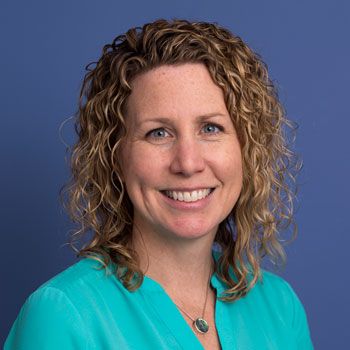
Dr. Amy Cannon holds the world’s first Ph.D. in Green Chemistry and is the co-founder and Executive Director of Beyond Benign, a nonprofit transforming chemistry education to support sustainability. After earning her undergraduate degree in chemistry from Saint Anselm College, Amy was introduced to green chemistry by Dr. John Warner at UMass Boston, where they co-created a Ph.D. concentration to address the lack of sustainability training in traditional chemistry programs. With experience in both industry and academia, Amy has spent her career advancing green chemistry education across K–12 and higher ed. Her work has earned multiple awards, including the EPA New England Environmental Merit Award and the Kenneth G. Hancock Memorial Award, and she is widely published on green chemistry pedagogy and systems thinking in science education.

Dr. John Warner is one of the founders of the field of green chemistry and co-author of its foundational text Green Chemistry: Theory and Practice, which introduced the 12 principles of green chemistry in 1998. A prolific inventor with over 350 patents, John has worked with companies around the world and received the prestigious Perkin Medal for his contributions to industrial chemistry. He has held tenured professorships in both chemistry and plastics engineering, co-founded the first Ph.D. program in green chemistry, and received the U.S. Presidential Award for Excellence in Science Mentoring. As an entrepreneur and global educator, his innovations span photovoltaics to cosmetics, and he currently holds academic appointments across six countries. John now serves as President and CEO of The Technology Greenhouse and continues to advance green chemistry as a science of solutions.
